

Espresso Machines - How to Choose the Right Espresso Machine for You
Espresso machines heat the water to near boiling point before forcing it through finely ground coffee that is packed tightly into the portafilter. This produces an intense espresso. Many models allow you to control key espresso factors like temperature and pressure.
Super-automatic machines are an improvement over automated machines. They can grind or measure and, sometimes, tamp your beans for you. They were the top performers in our Lab tests.
Manual
Coffee lovers from all around the world have taken to espresso machines that make use of powerful pumps and built-in boilers to force water that is pressurized through the grounds and into a cup. Cafes make use of these machines to make drinks like cappuccino or lattes. But home brewers too can enjoy this process with the right equipment and a bit of practice.
All espresso machines are not created equally, and the kind of machine you select can have an impact on the quality and taste of your beverage. There are three major categories of espresso machine: manual, semi-automatic, and automatic. Each espresso machine has its own brewing process, and offers different benefits.
A manual machine is operated by pulling or pushing the lever. When you lift the lever, it draws water into the brewing chamber, allowing it to soak the fine coffee grounds (a process known as pre-infusion). As you lower the lever, the pressure created causes the water to flow through the coffee grounds to the cup below. The espresso shot that results is rich and full of flavor that is loved by coffee lovers all over the world.
They are usually the cheapest and feature a classic look that a lot of enthusiasts love. But they also require grinding and tap the beans, use the lever, and monitor the brewing process to ensure a consistently high-quality, consistent beverage. The people who appreciate the flavor of espresso that is properly prepared say this level of control makes it worth the effort.
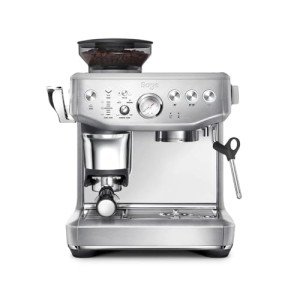
The most reliable manual espresso machine is made with a portafilter that is able to be mounted using a bayonet to the brewing head. They can also be used with single-use pods or ground coffee. They are simple to use, portable, and easy to store making them a great option for coffee lovers who are looking to get the most of their home espresso brewing equipment.
As the range of espresso machines has changed and manufacturers have redesigned the design and features to make it simpler and more precise to change different extraction variables. For example, some models now include a heating element that keeps the group head at a stable temperature throughout the entire process of brewing. This ensures consistency and eliminates the necessity to pour hot water into the chamber before each extraction.
As the espresso market continues to grow, we see an ongoing push towards smaller lighter, smaller and more compact designs. They are great for enthusiasts on the go, whether they're traveling for work or play and can be tucked away easily in a suitcase or backpack. These machines aren't only lightweight, but also feature a a minimalistic design that makes them a stylish addition to any kitchen. They are also eco-friendly as they do not require batteries or electricity to operate. Lastly, they are easy to clean and maintain with just a little maintenance.
Semi-automatic
There are still many people who want to be involved in the process of making their own espresso, and it is important to consider the level of control you'd like to have when choosing the right machine. This is an aspect that is to be considered when you decide between a semi-automatic and fully automated espresso machine.
Semi-automatic espresso machines take the guesswork out making the perfect espresso by automating less important parts of the process. They typically include an electric grinder and boiler, as well as a water tank, and milk-frothing steam wand. A good semi-automatic will let you set the temperature and pressure of your shots. which is often ignored by customers when selecting an espresso maker.
These kinds of machines are typically found in specialty cafes and homes of espresso lovers. This is because they offer the perfect balance of automation and personalization. Read Even more can determine the size of your grind and adjust the pressure of your shot and determine when it is the right time to begin and end your extraction. This level of control can be daunting for those who aren't comfortable with espresso.
Semi-automatic espresso machines are a great option for those who are just starting out or who wish to become involved in their coffee. These machines are not just less expensive than fully automated machines, but also can save you time and frustration with manual machines.
If you are seeking something more user-friendly there are a variety of super-automatic espresso makers on the market that produce the same quality shot as semi-automatic espresso machines. They are usually easier to use and require minimal maintenance. However, they are not ideal for a typical home as you won't be able to customize your shots or steam your own milk to create the creation of latte art.
It is important to choose the best espresso maker for you. The type of espresso machine you choose will have an impact on the quality and taste of your coffee. Contact one of our experts in Espresso and Coffee if you are unsure of the type of espresso machine that you should purchase. They'll be happy to help you find the right machine for your needs.
Espresso is a complicated beverage that requires specific skills to make it efficiently. Although it takes time to learn, brewing high-quality espresso is an incredibly rewarding (and sometimes a bit frustrating) process. Once you've mastered the basics you can move onto more advanced techniques like milk frothering or the art of latte.
If you are a coffee enthusiast there is no better method to enjoy the beverage of your choice than by using a professional espresso machine. With so many options it can be difficult to pick the best model for you.